
Nature
Lake and Forest
 Lake Tawakoni State Park sits on the southern shore of a 37,879-acre reservoir, surrounded by blackjack oak, post oak, black hickory and cedar woodlands. The lake’s sandy shoreline and the park’s woodlands create a rich habitat for wildlife and humans alike.
Wildlife
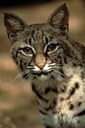
The park’s blend of habitats is home to a wide range of wildlife. Animals here include red and gray fox, bobcat, coyote, eastern cottontail rabbits, possum, stripped skunks, turtles, frogs, snakes, raccoons, beavers, squirrels, armadillos, mink, river otter and white-tailed deer.
Fishing
 Lake Tawakoni is known as the Catfish Capital of Texas and offers some of the best catfishing in the state, especially for trophy-sized blue catfish. Anglers also reel in striped bass, hybrid striped bass, white bass and crappie - all supported by a healthy shad population. The lake is a top destination for fishing year-round.
For information on water quality, fishing reports and more, check out the Lake Tawakoni information page.
Birding
 Birdwatchers will find plenty to enjoy year-round, as well. Great blue herons, egrets and red-winged blackbirds are common near the lake, while woodpeckers, owls and migrating songbirds such as the eastern bluebird thrive in the trees. Be sure to look to the skies for bald eagles, crested caracara and various species of hawks and vultures. In the summer, spot the occasional scissor-tailed flycatcher or painted bunting, or sit by the lake in cooler months to see migratory coastal birds like white pelicans and gulls.
Use our birding checklist to check your sightings! You can pick up a physical copy at headquarters or download a copy.
Spiderweb
 Lake Tawakoni State Park made headlines in the summer of 2007 when thousands of spiders created a massive web stretching nearly 200 yards along one of the trails. Although many species of spiders were involved, the spectacle was primarily the work of Guatemalan long-jawed orb weavers, typically solitary spiders that appeared to cooperate in this rare event.
The park boasts a large variety of spiders, with 170 species identified. But don’t worry, these creepy-crawlies like to keep to themselves!
Grasses and wildflowers
Look for the small grassland prairie near park headquarters. These grassy clearings are remnants of once vast prairies that supported bison herds and diverse wildlife across the state.
Today, these prairies support a vibrant mix of native grasses and wildflowers, including little bluestem, big bluestem, grama, black-eyed Susan and butterfly milkweed. Though only a small portion of Texas’ original prairies remains, these restored pockets help preserve and showcase their beauty and ecological value.
Protect the park
Help keep the park natural by following these guidelines:
- Trash your trash. Pack out all of your trash and Leave No Trace.
- Leave feeding to nature. Feeding wild animals will make them sick. Please do not feed them.
- Don’t Pocket the Past. Help preserve Texas heritage. Leave artifacts where you find them and report their location to a ranger.
- Take only memories and pictures. Disturbing or removing any of the park’s plants, animals or artifacts is a violation of state law.
- Keep pets on leashes for their safety and to protect wildlife. Pick up your dog’s waste and put it in the trash.
