
Flying Over Mountains
November 2025
 By Ranger Kate
Spooky season isn’t the only thing coming to an end. November also marks the close of several impressive fall migrations. Because Texas sits at the center of the southern U.S., we’re a major thruway for many species—especially those that fly. A few of those travelers might surprise you.
Orange-Speckled Sky
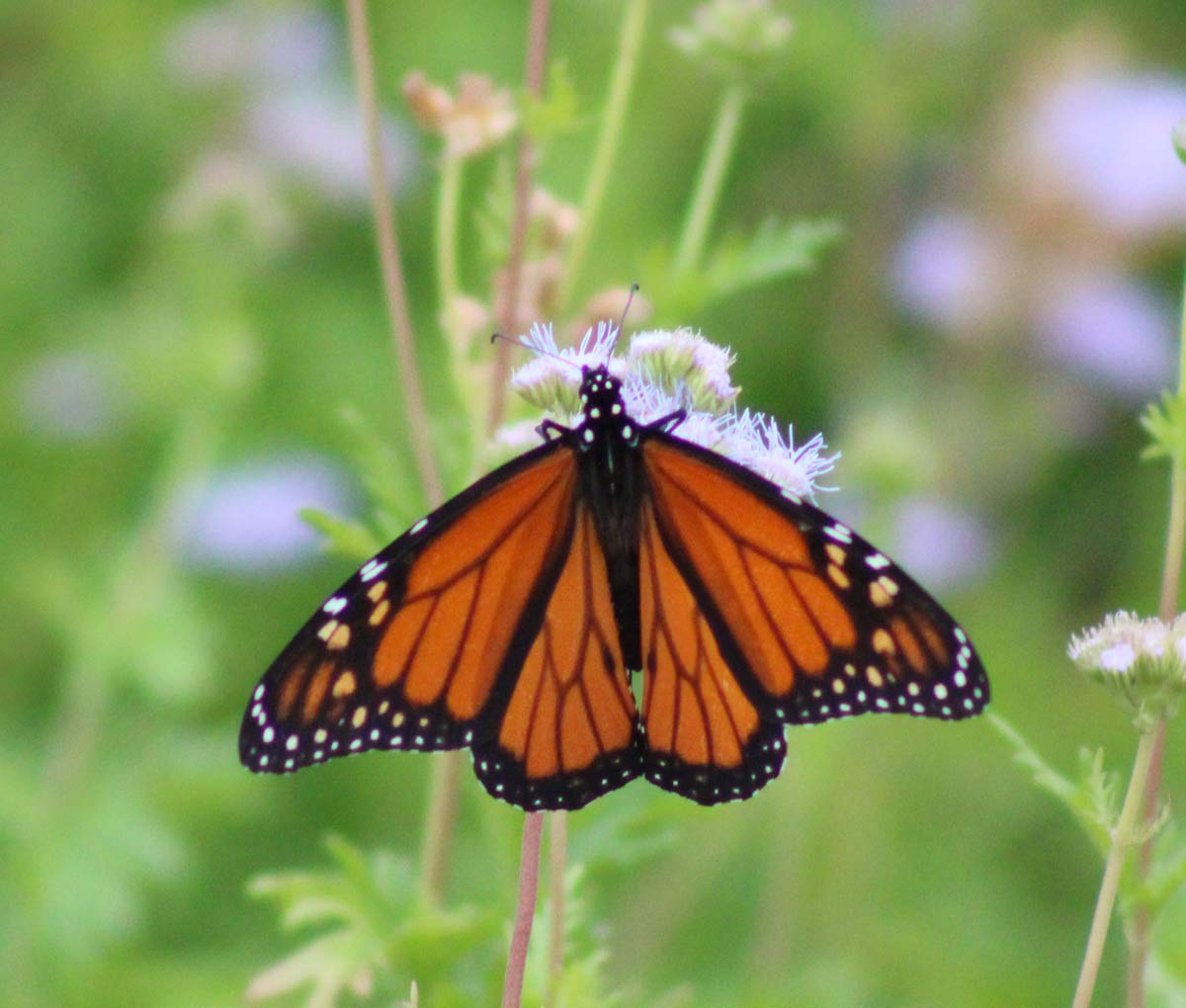
One of the most iconic migrations in North America is that of the monarch butterfly. These delicate insects travel from central Mexico to southern Canada—over 3,000 miles—and back again in the span of a single year.
This incredible journey is so demanding that it takes four generations to complete one full migration cycle. Generations one and two make the trip north, while generation three spends its entire life in Canada. The fourth generation—known as the Super Generation—makes the return trip south.
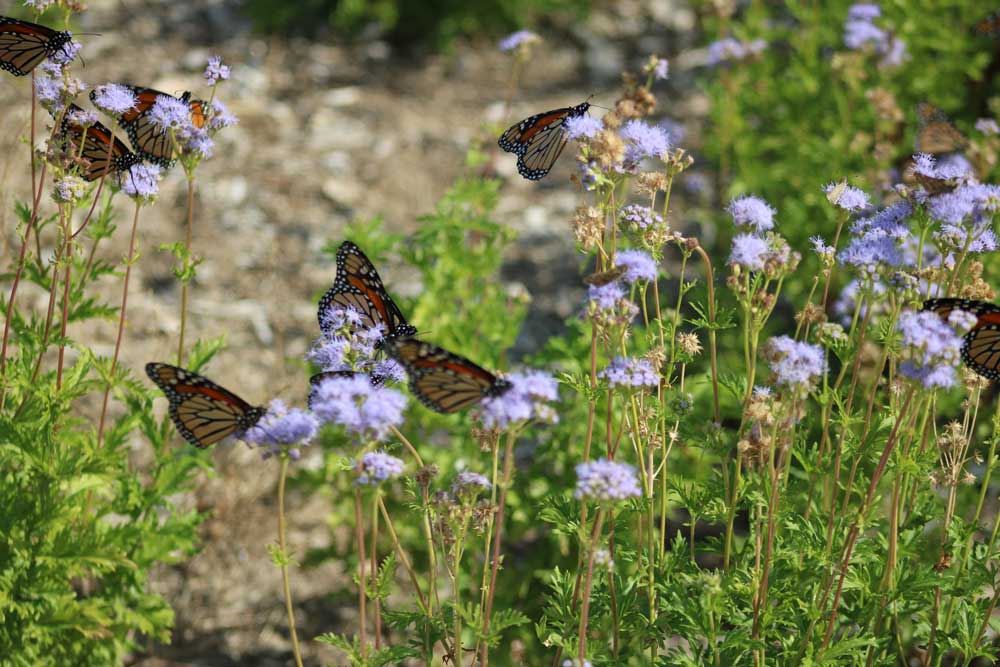 They travel during daylight hours on the winds of cold fronts and rest together at night in trees, often those hanging over water. Here in Palo Pinto Mountains State Park, you can spot monarchs roosting at twilight before they head to the native plant garden at our headquarters. When they take off, they fill the sky with orange wings that shimmer in the light.
Most monarchs leave by the end of October, and if the weather cooperates, they can travel up to 100 miles in a single day. They may not stay long, but they’re absolutely stunning while they’re here.
Tiny Texans
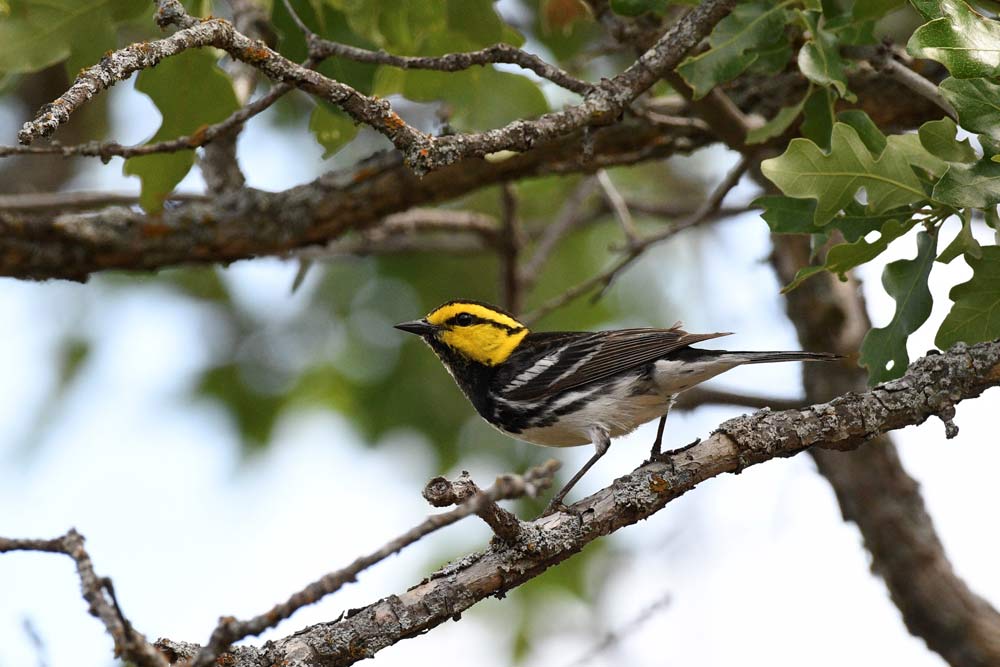 This feathered friend calls our park its summer home—the golden-cheeked warbler! Their migration begins in February in southern Mexico, Guatemala and Honduras. That’s when they fly north to their nesting grounds, only in Central Texas.
By early March, males arrive to claim and defend their territories. A few weeks later, females arrive and choose their mates based on who has the best territory. These warblers need juniper bark and spider webs to build their nests, hardwood trees for tasty insects, and easy access to water—all of which make our park a perfect home base.
When summer ends and the chicks are strong enough to fly, the whole family heads south again to escape the cold, usually by the end of August.
Pit-Stop Visitors
The nocturnal Mexican free-tailed bat prefers to stay hidden in the shadows of our park, tucked beneath rock overhangs near water. These bats start their journey from caves in Mexico in early spring, traveling to specific sites across Texas and neighboring states.
The places they choose serve as “nurseries”—warm, humid roosts with high ceilings where the bats form colonies. The largest colonies are made up of females raising their pups. By mid-August, the young bats are flying solo, just in time to start their migration back to Mexico in October.
While we don’t have any known colonies in our park, these bats still make an appearance in our night skies during migration periods in early spring and late fall. Think of our park as a cozy pit stop for them on their way to their winter homes south of the Rio Grande.
Holiday migrations
Whether it’s birds, mammals or insects, so many animals make incredible journeys each year. What about you? Do you travel long distances for the holidays or to visit family? Or maybe just to see someplace new?
Many folks spend their holidays in Texas State Parks, and I’m looking forward to all the Halloween decorations, Thanksgiving meals and Christmas lights that brighten our parks this time of year.
I hope you’ll visit Palo Pinto Mountains State Park once we open. You’ll be able to see these amazing travelers for yourself and make your own memories right here in nature.
