
Threatened, Endangered and Protected Animals
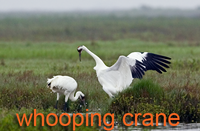
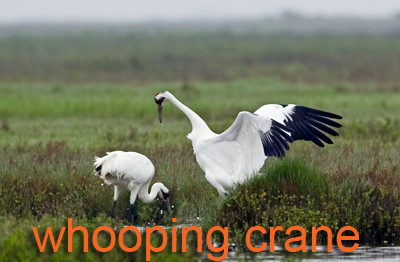
- Whooping Crane
Endangered and Threatened Nongame Animals
In Texas, animal or plant species of conservation concern may be listed as threatened or endangered under the authority of state law and/or under the U.S. Endangered Species Act. Species may be listed as state threatened or endangered and not federally listed. The state list deals only with the status of the species within Texas. A federal listing means that an animal is in decline throughout its entire range which may encompass several other states or nations.
It is unlawful for any person to hunt threatened, endangered, or protected nongame species. To sell or purchase goods made from threatened or endangered species, proper documentation must accompany the goods. Visit Threatened and Endangered Species, and regulations relating to breeding threatened and endangered species, please call (800) 792-1112 (menu 5).
Endangered
These animals are some of the endangered species in Texas.
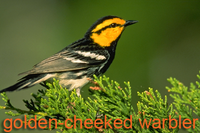
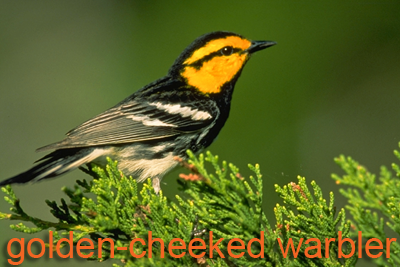
- Golden-cheeked Warbler
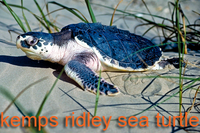
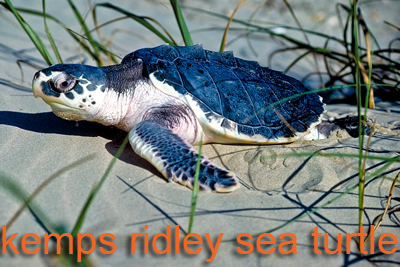
- Kemps Ridley Sea Turtle

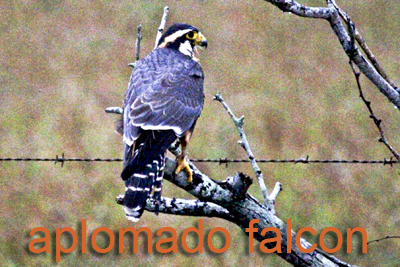
- Aplomado Falcon

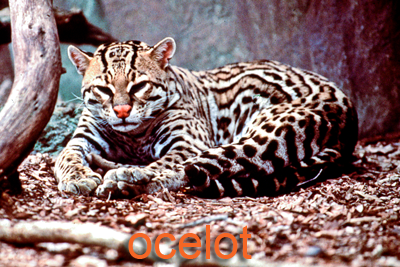
- Ocelot
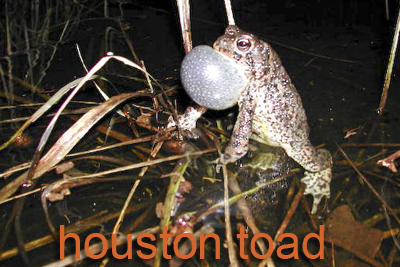
- Houston Toad
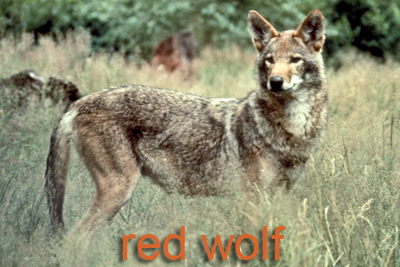
- Red Wolf
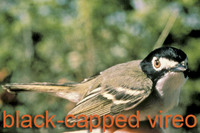
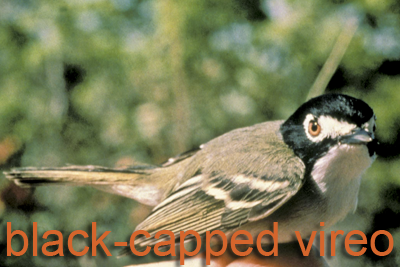
- Black-capped Vireo
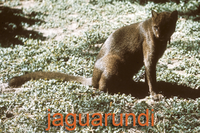
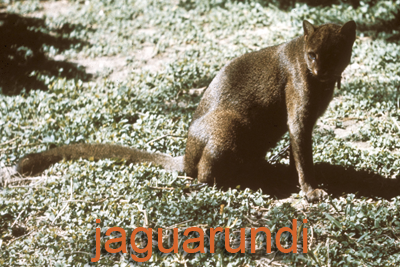
- Jaguarundi
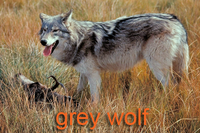
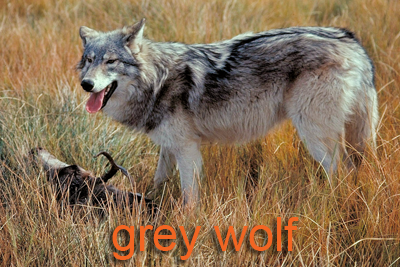
- Grey Wolf
Threatened
These animals are some of the threatened species in Texas.
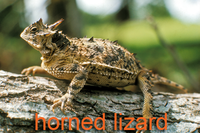
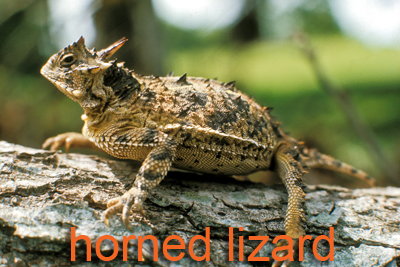
- Horned Lizard

- Bald Eagle

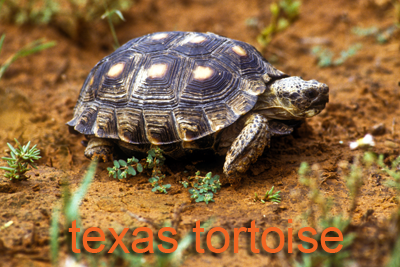
- Texas Tortoise
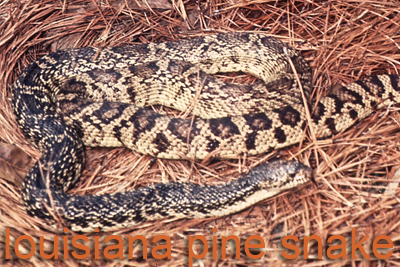
- Louisiana Pine Snake
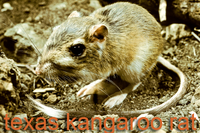
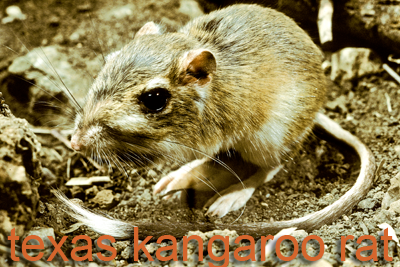
- Texas Kangaroo Rat
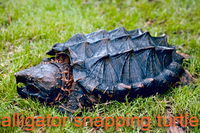
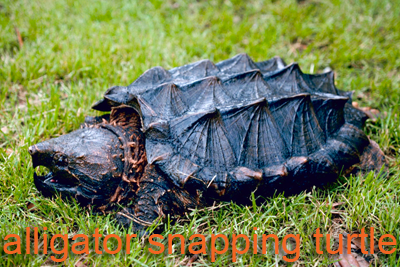
- Alligator Snapping Turtle
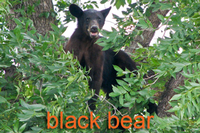
- Black Bear

Black bears are threatened in Texas and cannot be hunted or killed. Please report black bear sightings or mortalities, and mountain lion sightings, harvests, or mortalities to (512)389-8047.
Protected Birds
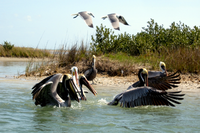
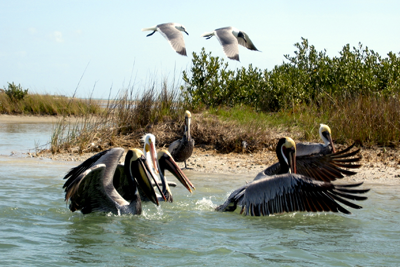
- Pelicans and gulls
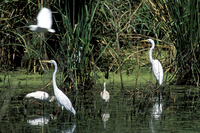
- Great egret

Hawks, owls, eagles, and all other nongame birds and songbirds (except for the few unprotected birds listed below) are protected by various state and federal laws and may not be killed, taken from the nest, picked up, or possessed for any reason, and their feathers may not be possessed or sold. Arts and crafts may not include these protected species under any circumstances.
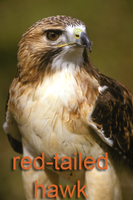
- Red-Tailed Hawk

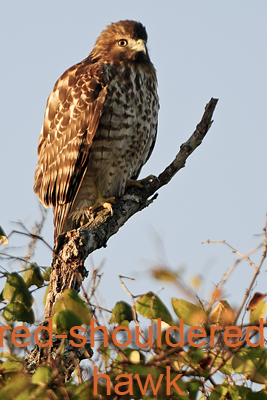
- Red-shouldered Hawk
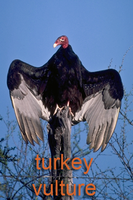
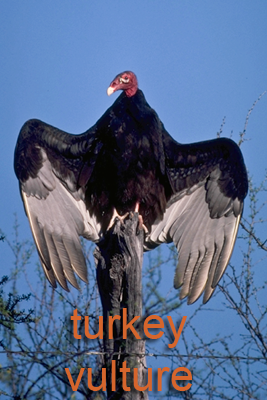
- Turkey Vulture
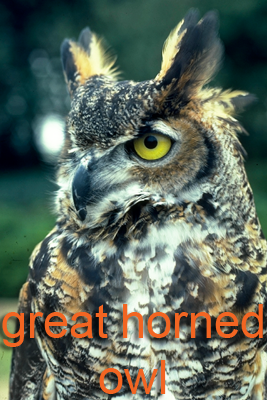
- Great Horned Owl
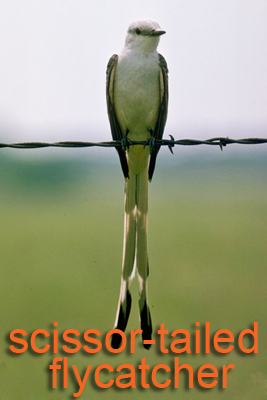
- Scissor-tailed Flycatcher
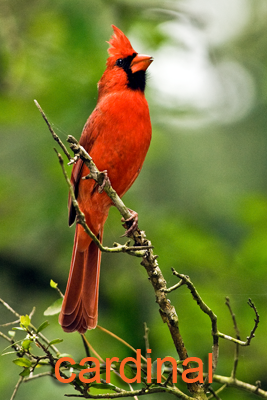
- Cardinal
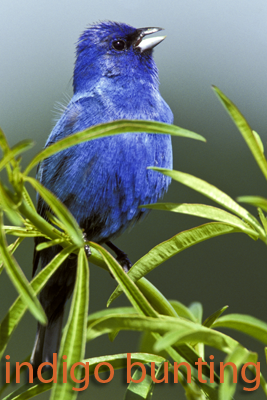
- Indigo Bunting
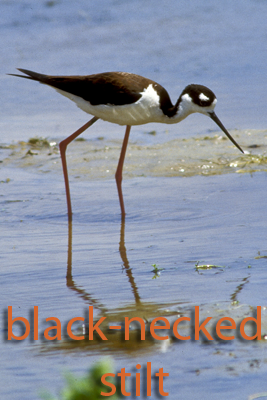
- Black-necked Stilt
- Blue Jay

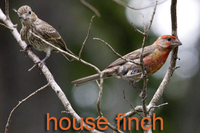
- House Finch

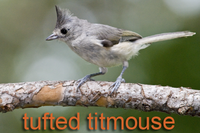
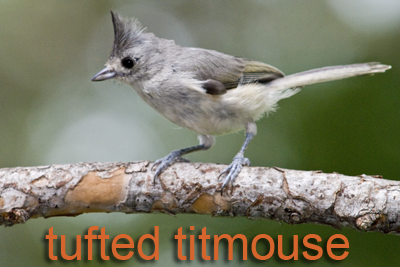
- Turfted Titmouse

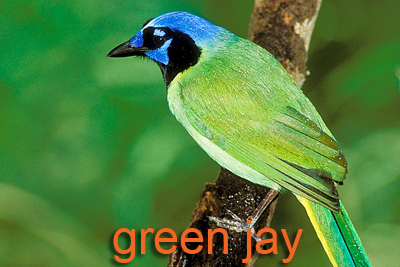
- Green Jay
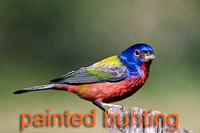
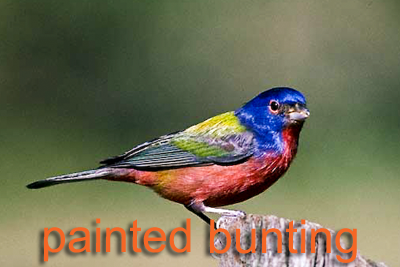
- Painted Bunting
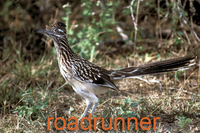
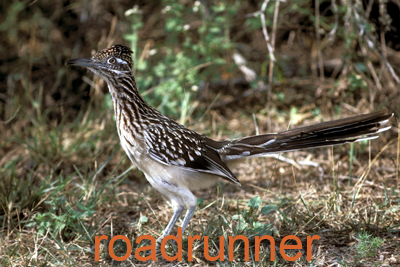
- Roadrunner
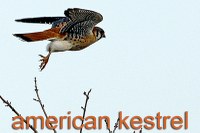
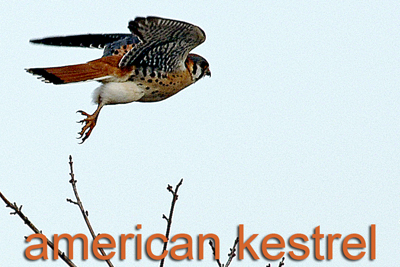
- American Kestrel
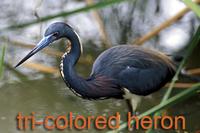
- Tri-colored Heron

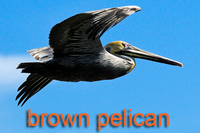
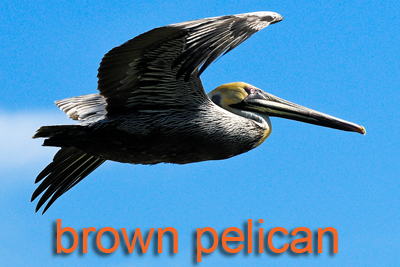
- Brown Pelican

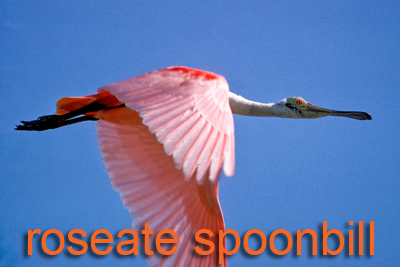
- Roseate Spoonbill
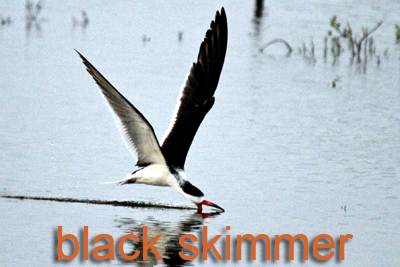
- Black Skimmer
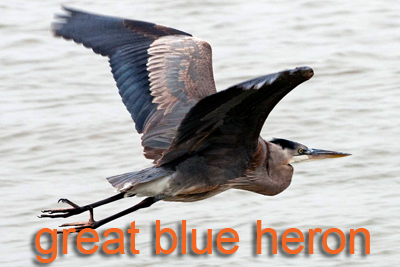
- Great Blue Heron
Most of the birds you will see when hunting will probably not be game birds. Studying them in the field is not only useful to your hunting knowledge but also very enjoyable pastime. Many hunters become avid birders.
Unprotected Birds
- Blackbirds
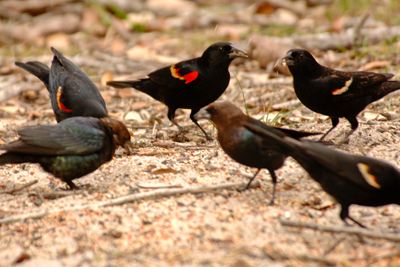
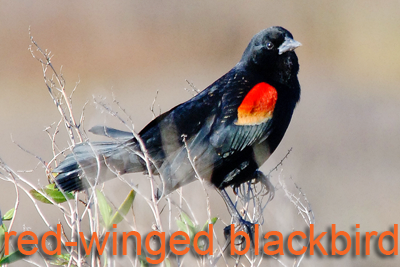
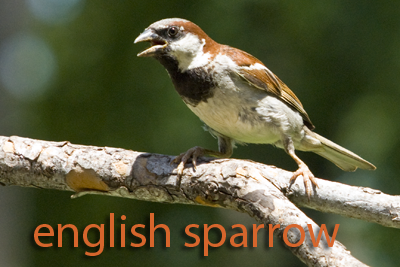
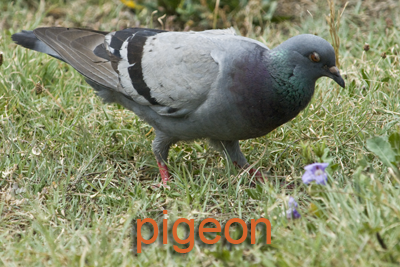
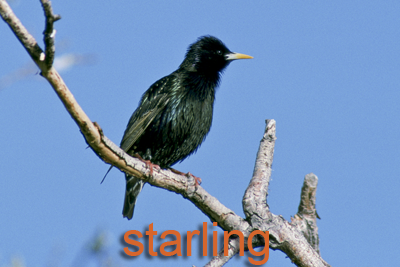
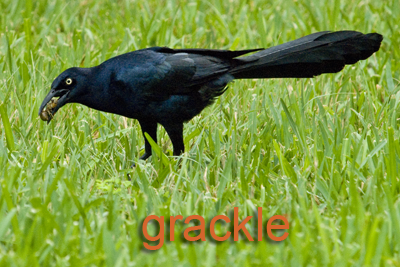
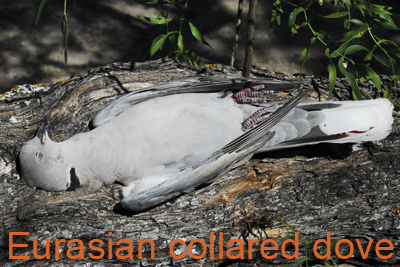
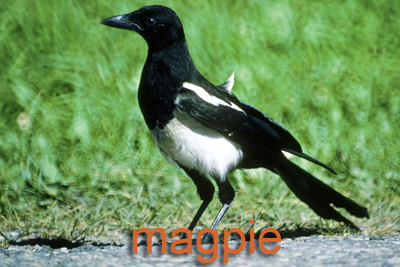
The only birds not protected by any state or federal law are European starlings, English sparrows, feral rock doves (common pigeon, Columba livia) and Eurasian collared-doves; these species may be killed at any time, their nests or eggs destroyed, and their feathers may be possessed. Yellow-headed, red-winged, rusty, or Brewer's blackbirds and all grackles, cowbirds (does not include cattle egret), crows, or magpies may be controlled without a federal or state depredation permit when found committing or about to commit depredations on ornamental or shade trees, agricultural crops, livestock, or wildlife, or when concentrated in numbers and in a manner that constitutes a health hazard or other nuisance.
- Redwinged Blackbird
- English Sparrow
- Pigeon
- Starling
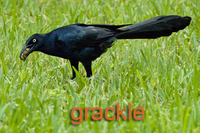
- Grackle
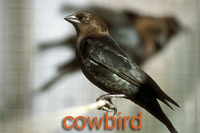
- Cowbird

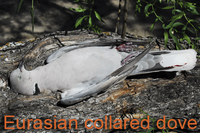
- Eurasian Collard Dove
- Magpie
Bats
- Bats
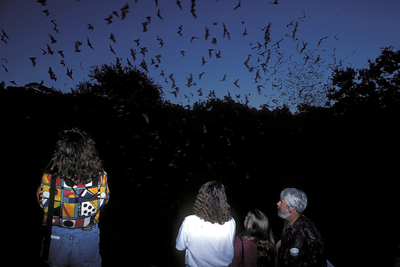
- Watching a bat emergence
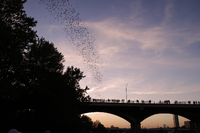
- Bats emerging from the Congress Avenue Bridge in Austin, TX

Bats in Texas may not be hunted, killed, possessed, purchased or sold; however, bats may be moved, trapped, or killed if inside or on a building occupied by people. A person may transport a bat for the purpose of laboratory testing if there is a rabies concern.

- Bats on roof of cave

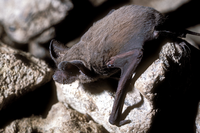
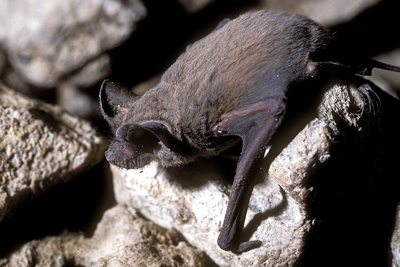
- Closeup of bat
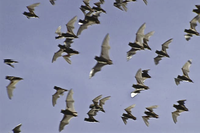
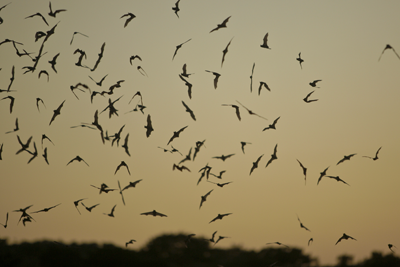
- Bats in flight
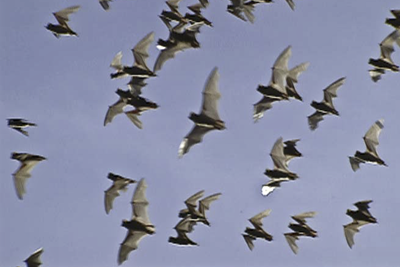
Bats are very misunderstood animals. They are extremely beneficial creatures to humans. They help control pests by consuming tons of insects each night and are vital pollinators and seed-dispersers for a variety of plants. In the summer, Texas is the summer home to the migratory Brazilian free-tailed bats. Millions of these bats will inhabit caves and structures such as bridges. There is a famous colony at the Congress Avenue bridge in downtown Austin. The best time to see them is in August, when young free-tailed bats begin to fly with their parents on nightly feeding flights. Because most free-tailed females give birth to 1 pup each year, the population in some nursery roosts almost doubles. In the fall, most of these bats will migrate south for the winter.